
Dry Eye Treatment
Tear tests, eyelid gland assessment and step-by-step dry eye treatment by Dr. Nejmi Öztürk, ophthalmologist and eye surgeon, at HG Hospital in Kahramanmaraş, Türkiye
- The tear film and the two main types of dry eye: insufficient production and rapid evaporation (meibomian gland dysfunction)
- Symptoms and causes: age, screens, air conditioning, contact lenses, medicines, rheumatic diseases, eyelid inflammation
- Diagnosis with the Schirmer test, tear break-up time and surface staining
- Treatment steps from artificial tears to punctal plugs, the 20-20-20 rule and insurance information
What is dry eye?
Dry eye (dry eye syndrome) is when the tear film that covers the front surface of the eye is not produced in sufficient amounts or evaporates too quickly, leaving the surface unprotected. The tear film has three layers: a mucus layer that helps it cling to the eye, a watery layer that wets and nourishes the eye, and a thin oily layer that prevents evaporation. The oily layer is produced by the meibomian glands at the edge of the eyelid.
There are two main types of dry eye, and treatment differs according to the type:
- Insufficient production type (lack of the watery layer): The tear gland cannot produce enough water. Aging, Sjögren’s syndrome and rheumatic diseases, and some medicines are the main causes.
- Rapid evaporation type (meibomian gland dysfunction): The oil glands at the lid margin become blocked or produce poor-quality oil; when the oily layer breaks down, the tears evaporate quickly. This is the most common type and is usually accompanied by eyelid inflammation (blepharitis).
In both types, inflammation develops on the surface; the inflammation further impairs tear quality and a vicious circle forms. Treatment is therefore not just about “wetting” the eye with drops, but about breaking the circle.
What are the symptoms, and who gets it?
The most common symptoms of dry eye are burning, stinging and a gritty feeling in the eye. Surprisingly, excessive watering is also a symptom of dryness: when the drying surface is irritated, a large amount of poor-quality tears is released as a reflex. Other symptoms:
- Redness, itching, a feeling of heaviness and tiredness; lids sticking together in the morning
- Discomfort that increases when reading, using screens or driving, and blurring that comes and goes, clearing when you blink
- Light sensitivity; complaints that get worse in wind and air conditioning
- Not being able to tolerate contact lenses
- Stringy discharge; in advanced cases, scratches on the cornea and reduced vision
What are the causes and risk factors?
- Age and hormones: Common over the age of 50 and in women around the menopause.
- Screen use: When you look at a screen, the blink rate halves; the tears cannot spread and they evaporate.
- Environment: Air conditioning, central heating, wind, dry and dusty air.
- Contact lenses: Long-term and inappropriate lens wear.
- Medicines: Allergy medicines (antihistamines), some blood pressure, depression, acne and diuretic (water) medicines.
- Systemic diseases: Sjögren’s syndrome, rheumatoid arthritis, thyroid disease, diabetes, vitamin A deficiency.
- Eyelid problems: Inflammation at the base of the lashes (blepharitis), rosacea, incomplete closure of the lid.
- Eye surgery: Temporary dryness that can last months after refractive laser surgery and cataract surgery.
Which treatment is not suitable for whom?
- Drops containing preservatives: Not suitable for people who use drops more than four times a day or who have advanced dry eye; the preservative irritates the surface. Preservative-free products (single-dose vials or special bottles) are chosen.
- Cortisone drops: Long-term use carries a risk of raised eye pressure and cataract; they are used only for short periods and under a doctor’s supervision.
- Punctal plugs: Not suitable for people with active eyelid inflammation, a tear duct infection or excessive watering; the inflammation is treated before a plug is considered.
- Autologous serum drops: Unnecessary in mild cases; used in selected advanced cases.
- Candidates for refractive laser surgery: Laser surgery is postponed in uncontrolled dry eye; the dryness is treated beforehand.
How are the examination and tests done?
Dry eye is diagnosed by asking about the symptoms and with simple tests that measure the amount and quality of the tears and the damage to the surface. Dr. Nejmi Öztürk does the following at the examination:
- Symptom questionnaire and history: The medicines you take, screen time, contact lens wear and rheumatic symptoms are asked about.
- Slit-lamp examination: The lid margin, the base of the lashes, the tear level and the corneal surface are examined under magnification.
- Schirmer test: A thin paper strip placed in the lower lid measures the amount of tears produced in 5 minutes; it shows the production type.
- Tear break-up time: After a dye is instilled, the time until the tear film begins to break up is measured; a short time indicates the evaporation type.
- Surface staining: Fluorescein and lissamine green dyes make the damaged areas on the cornea and conjunctiva visible.
- Meibomian gland assessment: With gentle pressure on the lid margin, the amount and quality of the oil coming out of the glands is assessed; gland blockage is graded.
- Additional tests when needed: Rheumatology tests when Sjögren’s syndrome is suspected; a detailed dry eye check together with corneal topography before refractive surgery.
The tear film and dry eye
Tears are not a single liquid but a thin film with three layers; dryness is often related to the oil layer.
- A film of three layersOn the outside, the oil layer from the meibomian glands slows evaporation; in the middle is the water layer, and at the bottom is the layer that lets the film cling to the surface. When one of the layers is disturbed, the complaint of dryness begins.
- The role of the oil glandsWhen the glands at the lid margin become blocked, the oil layer thins and tears evaporate quickly. For this reason, dry eye treatment is often planned together with lid margin care.
How is dry eye treated?
Dry eye treatment follows steps: in mild cases, lifestyle adjustments and artificial tears are enough; if there is no response, the next step up is taken. Treatment is tailored to the individual according to the type of dryness.
- Lifestyle and environment adjustments: The 20-20-20 rule (every 20 minutes, look about 6 meters / 20 feet away for 20 seconds), positioning the screen below eye level, blinking consciously, staying away from air conditioning and heaters, humidifying the room, drinking plenty of water.
- Artificial tears: Preservative-free drops during the day, and a longer-lasting gel or ointment for the night. It is important to use them regularly, before the symptoms start. Redness-relieving drops are not used in dry eye.
- Lid hygiene and warm compresses: The main treatment in the evaporation type. Warm compresses are applied to the lids for 5–10 minutes once or twice a day, then the lid margin is squeezed with a massage and the base of the lashes is cleaned with a lid-cleansing solution.
- Omega-3 supplements: On a doctor’s advice, they can be used as a supporting measure, especially in meibomian gland dysfunction; people on blood thinners should check with their doctor.
- Anti-inflammatory drops: To break the surface inflammation, immune-modulating drops such as cyclosporine are used for months; the effect starts in 1–3 months. During flare-ups a short course of low-dose cortisone drops may be added.
- Punctal plugs: The opening of the duct that drains the tears into the nose (the punctum) is closed with a small plug so that the tears stay on the eye longer. It is done in the examination room in a few minutes under drop anesthesia; apart from a slight feeling of pressure, no discomfort is expected. A temporary (dissolving) plug is tried to begin with, and if there is a response a permanent silicone plug is placed.
- Autologous serum drops: Drops prepared from the patient’s own blood and containing growth factors are used in advanced dry eye and in cases where surface healing is impaired.
- Other options: Oral tetracycline-group antibiotics for eyelid inflammation, moisture-chamber glasses for lids that do not close at night, and a bandage contact lens in advanced cases.
What are recovery and follow-up like?
Dry eye is mostly a long-term (chronic) condition; the aim is to bring the symptoms under control and protect the surface. Relief with artificial tears and lid hygiene begins within days; the effect of anti-inflammatory drops appears after weeks.
- Week 1: The drop and compress routine is established; drops with preservatives are stopped. Partial relief of the symptoms is expected.
- Month 1: At the check-up the staining and break-up time are repeated; the lid glands are reassessed. If the response is insufficient, the next step up is taken.
- Month 3 and beyond: The effect of the anti-inflammatory treatment is assessed; the decision on punctal plugs or serum drops is made in this period. Check-ups continue every 3–6 months; flare-ups can occur at the change of seasons (heating and air-conditioning periods).
For patients coming from districts such as Elbistan, Afşin and Göksun, check-ups become less frequent once the treatment routine is established; lid hygiene and the use of drops are continued at home.
What are the risks and limitations?
- Expecting a permanent solution: In most cases dry eye does not disappear completely; treatment provides control. When regular treatment is stopped, the symptoms return.
- Irritation from preservatives: Frequently used drops with preservatives damage the surface; as the number of drops increases, a switch is made to preservative-free products.
- Side effects of cortisone: Raised eye pressure and cataract with long-term use; the duration is therefore kept limited.
- Punctal plug problems: Excessive watering, the plug falling out, rarely inflammation of the duct; the plug can be removed if necessary.
- Untreated advanced dry eye: Scratches on the cornea, infection and a permanent reduction in vision can develop.
- Relationship with refractive surgery: Dry eye increases temporarily after laser surgery; surgery is not planned until it is under control.
Comparison of treatment options
| Option | Which type / when | Pros | Cons |
|---|---|---|---|
| Artificial tears (preservative-free) | Every type, the starting step | Easy, safe | Relieve the symptom, do not correct the cause; regular use needed |
| Lid hygiene and warm compresses | Evaporation type, blepharitis | Aimed at the cause, no medication | Require daily discipline; effect after weeks |
| Anti-inflammatory drops | Moderate to advanced dry eye | Break the inflammation cycle | Burning at the start; effect begins in 1–3 months |
| Punctal plugs | Production type, when drops are not enough | A few-minute procedure, reduces the need for drops | Watering, falling out; not used in active inflammation |
| Autologous serum | Advanced cases, impaired surface healing | Contains natural growth factors | Requires a blood sample and special storage conditions |
If inflammation of the lid margin is also present, treatment is carried out together with blepharitis treatment. A dry eye check is part of the laser eye surgery assessment; lids that do not close completely are covered on the eyelid page.
Diagnosis and treatment of dry eye in Kahramanmaraş
The diagnosis and treatment of dry eye are carried out by Dr. Nejmi Öztürk at HG Hospital in Kahramanmaraş, Türkiye; the Schirmer test, tear break-up time, surface staining, lid gland assessment and punctal plug placement are planned at the same hospital.
Eye examinations and dry eye tests are generally covered by SGK. HG Hospital is a private hospital contracted with the Turkish social security institution (SGK); patients with valid SGK coverage may use it, although a private-hospital co-payment may apply. Some artificial tears and anti-inflammatory drops may be covered by SGK under certain conditions; coverage for punctal plugs and autologous serum is clarified at the examination. Patients without SGK coverage, such as international patients and visitors from abroad, pay privately or through their private or travel health insurance; the hospital checks coverage before treatment. Fee information is given by the hospital after the examination.
Patients from Elbistan, Afşin, Göksun, Ekinözü and Nurhak are examined at HG Hospital in Kahramanmaraş; Dr. Öztürk does not see patients in Elbistan. The frequency of check-ups is arranged according to your travel; details are on the patients from Elbistan and the surrounding area page.
Dr. Nejmi Öztürk sees patients at HG Hospital in Kahramanmaraş, Türkiye. For patients travelling from other districts or from abroad, examination, tests and treatment planning can be arranged for the same day.
Hospital switchboard (within Türkiye): 444 46 46 · E-mail: info@nejmiozturk.com · HG Hospital, Üngüt Mevkii, Prof. Dr. Necmettin Erbakan Blv. No:209, Onikişubat / Kahramanmaraş, Türkiye
Frequently asked questions
Does dry eye go away completely?
Dryness caused by temporary factors such as screens, air conditioning or a medicine can improve once the cause is removed. Dryness linked to age, hormones and rheumatic diseases is mostly long-term; treatment brings the symptoms under control, but regular use is needed.
Which artificial tears should I use?
If you use drops more than four times a day, preservative-free products should be preferred. In the evaporation type, drops containing lipids (oils) are more suitable, with a gel or ointment for the night. The choice of product is made at the examination according to the type of dryness; redness-relieving drops are not used in dry eye.
I work at a screen; what should I do?
Follow the 20-20-20 rule: every 20 minutes, look about 6 meters (20 feet) away for 20 seconds. Position the screen slightly below eye level, blink consciously, stop the air conditioning from blowing directly on your face, and use preservative-free artificial tears during the day.
My eyes water all the time; could it be dryness?
Yes. When the drying surface is irritated, a large amount of poor-quality tears is released as a reflex, so watering is a common symptom of dry eye. Whether the watering is caused by a blocked tear duct or by dryness is determined at the examination.
Can I wear contact lenses if I have dry eye?
In mild, controlled dry eye, daily disposable lenses with high moisture retention can be worn; wearing time is shortened and preservative-free drops are added. In moderate to advanced dry eye, lens wear can damage the surface; the decision is made at the examination.
What does it feel like when a punctal plug is placed?
The procedure is done in the examination room in a few minutes under drop anesthesia; slight pressure is felt as the plug is placed in the duct opening, and there is no needle or incision. Afterward there may be a foreign-body feeling in the eye, which usually disappears within a few days.
Can I have laser eye surgery if I have dry eye?
Uncontrolled dry eye is an obstacle to laser surgery, because the operation temporarily increases dryness. The dryness is treated and the surface allowed to heal; suitability is then reassessed together with the corneal measurements.
Is dry eye treatment covered by SGK, and how much does it cost?
Examinations and dry eye tests are generally covered by SGK; some drops may be covered under certain conditions. Patients without SGK coverage pay privately or through their private or travel health insurance. Fee information is given by the hospital after the examination; SGK and private insurance coverage is clarified at the consultation.
Where should I go for dry eye in Kahramanmaraş?
Dr. Nejmi Öztürk carries out dry eye examinations and treatment at HG Hospital in Onikişubat. For patients coming from Elbistan and the districts, check-ups are planned less frequently. Appointment details are on the contact page.
Sources
- Turkish Ophthalmological Society — todnet.org
- American Academy of Ophthalmology (AAO) — aao.org
- National Eye Institute (NEI) — nei.nih.gov
Related pages
- Blepharitis (inflammation of the lash line)
- Laser eye surgery
- Droopy eyelid and blepharoplasty
- Corneal diseases
This page is for information only; diagnosis and treatment decisions are made after an examination. The results of any surgical or interventional procedure may vary from person to person. You are advised to obtain detailed advice from your physician before any procedure.
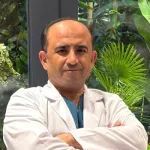
Ophthalmologist and eye surgeon. Graduate of Erciyes University Faculty of Medicine; completed his residency at Ankara Atatürk Training and Research Hospital. With 21 years of experience in cataract and refractive surgery, strabismus, glaucoma, retina and oculoplastic surgery, he sees patients at HG Hospital in Kahramanmaraş, Türkiye. Biography and training
Dr. Nejmi Öztürk
Ophthalmologist and eye surgeon
HG Hospital, Üngüt Mevkii, Prof. Dr. Necmettin Erbakan Blv. No:209, Onikişubat / Kahramanmaraş
+90 506 377 47 68WhatsAppAppointment formHospital switchboard (within Türkiye): 444 46 46 · info@nejmiozturk.com
- Private patients and private health insurance are welcome; patients with SGK coverage may use it (conditions are confirmed by the hospital)
- Same-day examination and test planning for patients travelling from other districts or from abroad
- Getting here and patient information
- Patients from Elbistan and the region